Our Apostolate
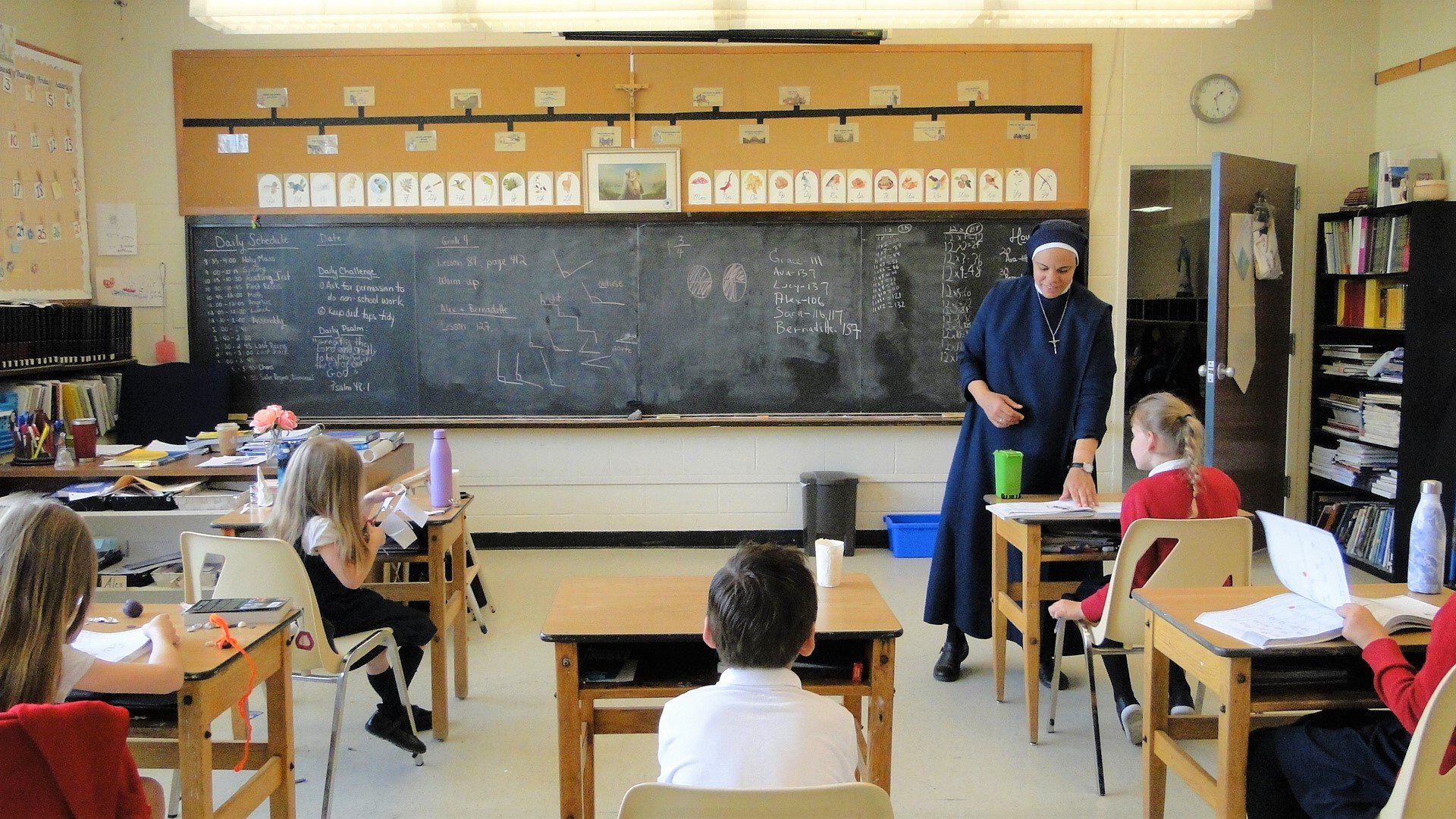

Being called to a life of consecration and being freed by the profession of vows, the Sisters devote themselves to the service of the Church. All Christians are called to love one another and share one another's burdens; however, the religious has a special mandate to exemplify the life and spirit of Christ in her service to mankind and to the needs of the Church.
In the lives of the saints, the Sisters find beautiful examples of labor for God. The work of the Sisters is whatever they are assigned to by obedience: to study, care for the elderly, teach catechism, various duties, etc. All their tasks should be done with care, with a loving heart, as something fit for God. Every day is to be spent for Him, in His presence. It is He who calls each to their duties. Silently and unknown to others they ask His help to perform the duty according to His Will.
“Your first work of course is to become holy, and then comes your apostolic work”
— Father Lloyd Ryan
-
Teaching the Catholic Faith
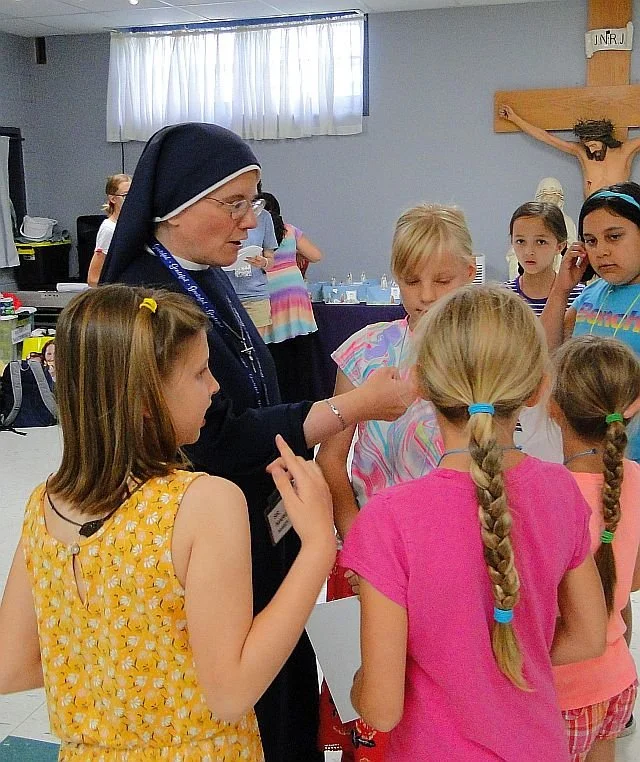
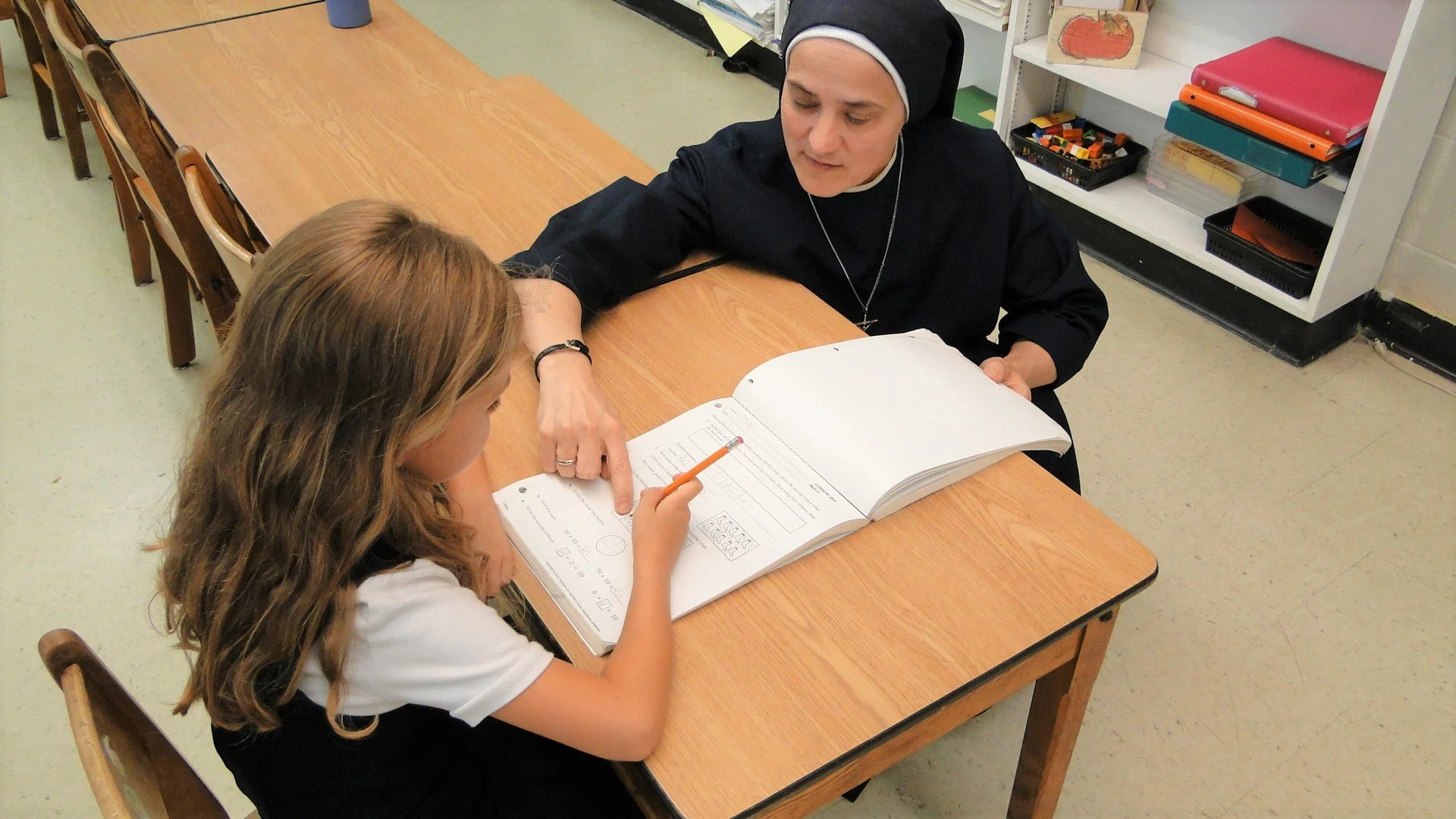
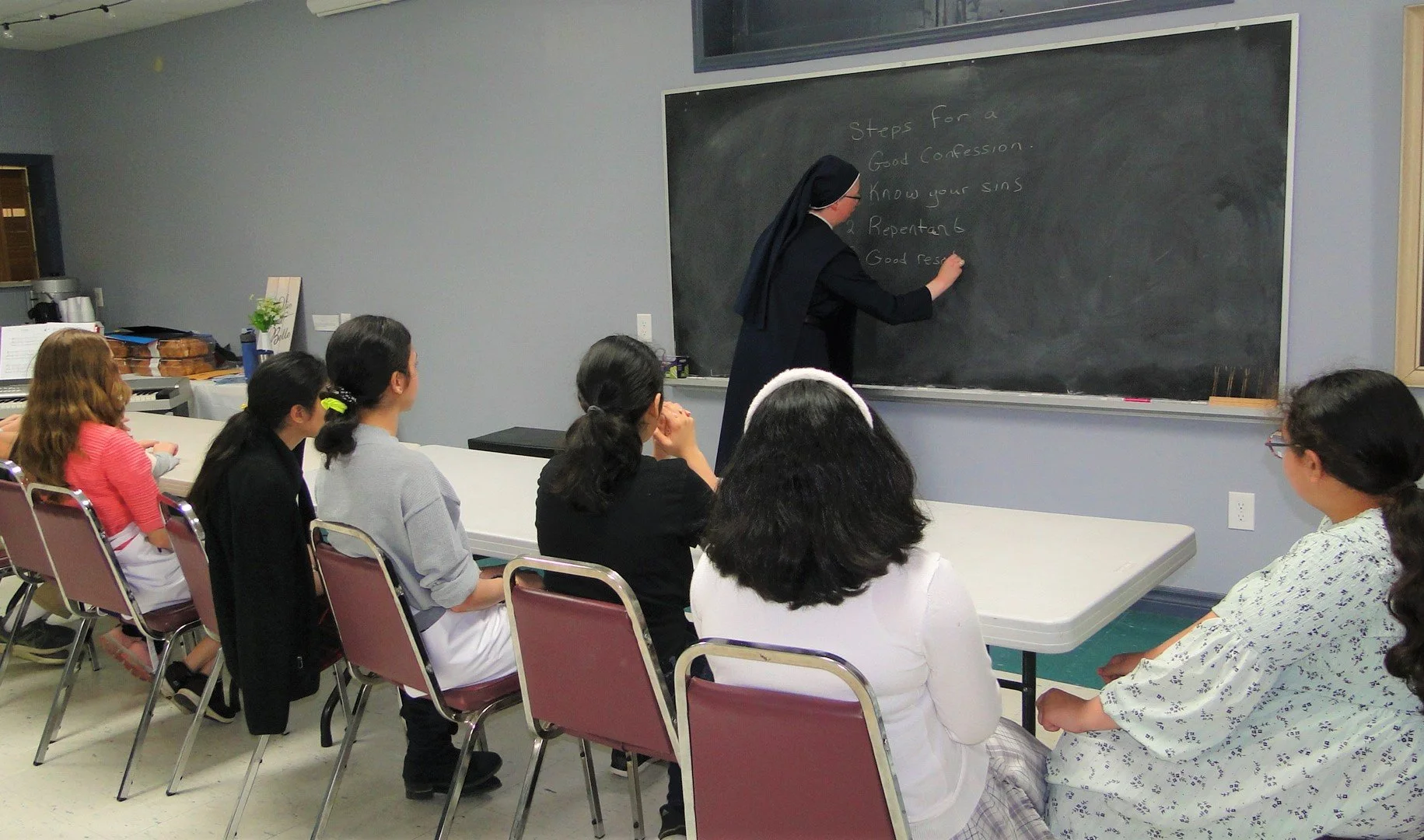
The Sisters of Our Lady Immaculate catechize children, teens and adults in Parishes while also engaging in other works of catechesis and evangelization such as youth retreats and conferences. The Sisters also teach at Our Lady of the Wayside Catholic School in Peterborough.
If you wish to invite us to your parish or to speak at an event, please contact us!
-

Care of the Elderly
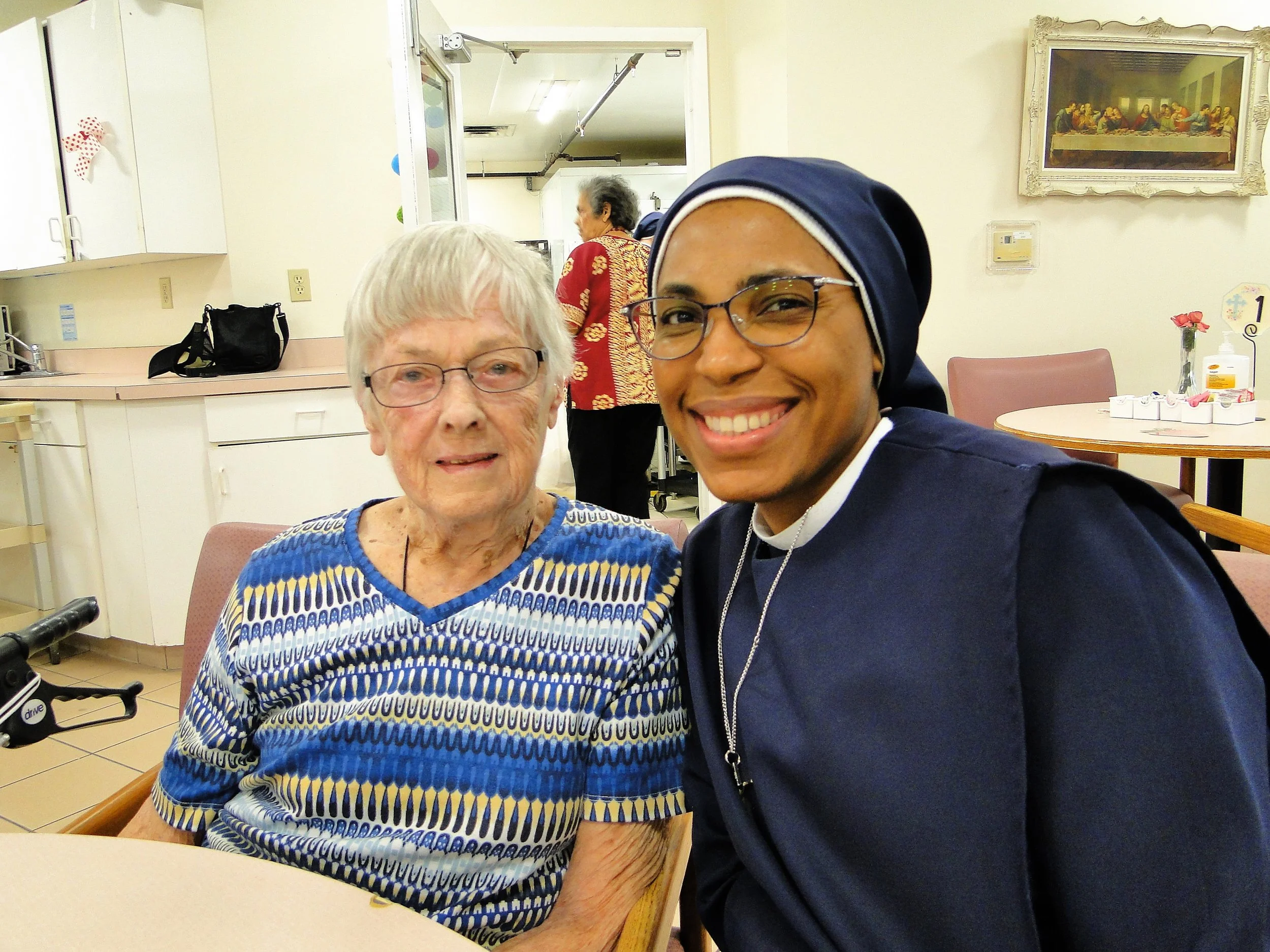
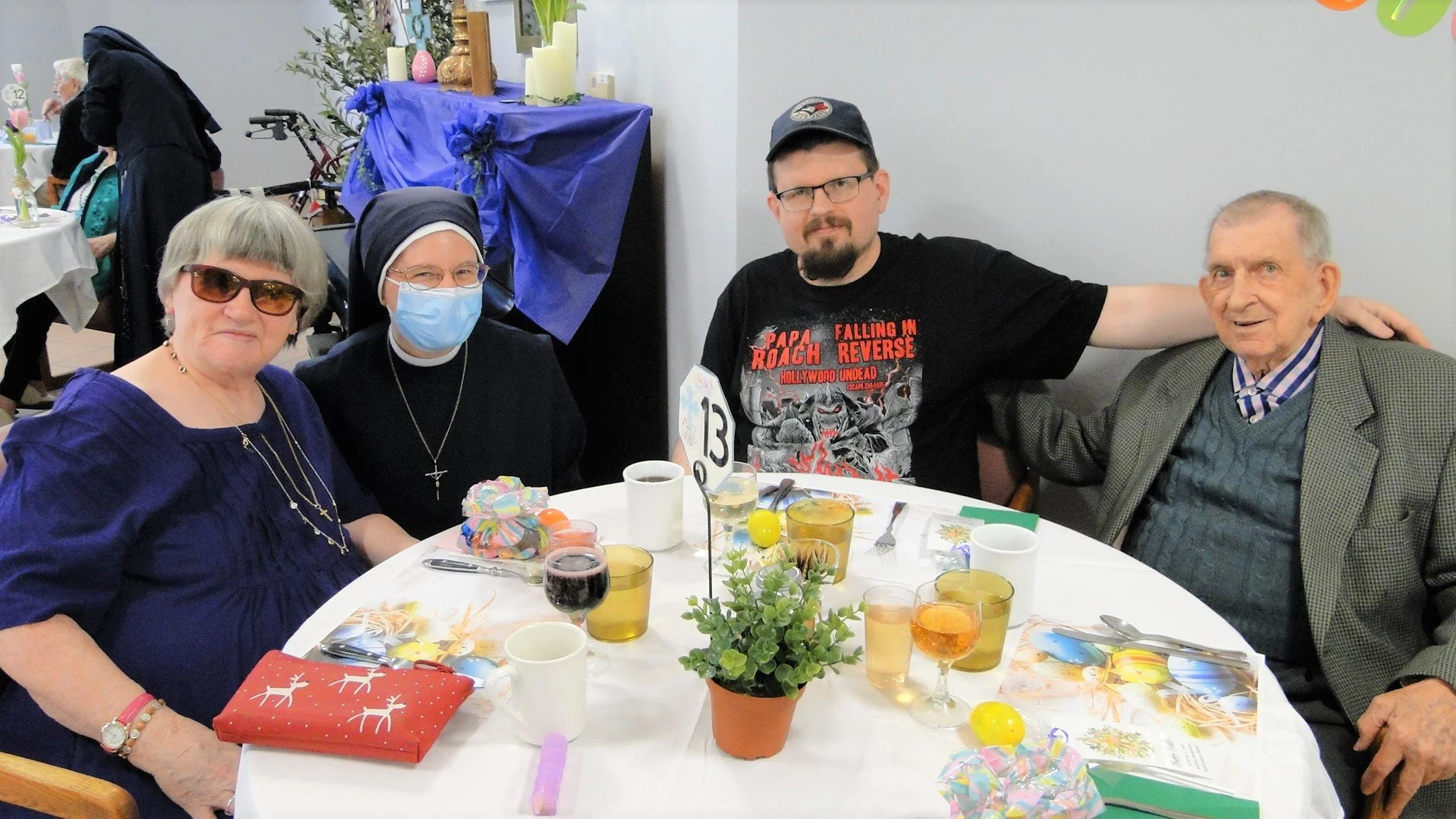
Our Care of the Elderly Apostolate flows from the heart of the Church, honoring the sacred dignity of every human life. Following Christ’s example, we serve seniors through prayerful presence, compassionate listening, and acts of mercy, upholding them in their suffering and entrusting them to His care. By honoring their stories and vocation, we reflect Christ’s compassionate heart and remind each person they are cherished, remembered, and never alone.
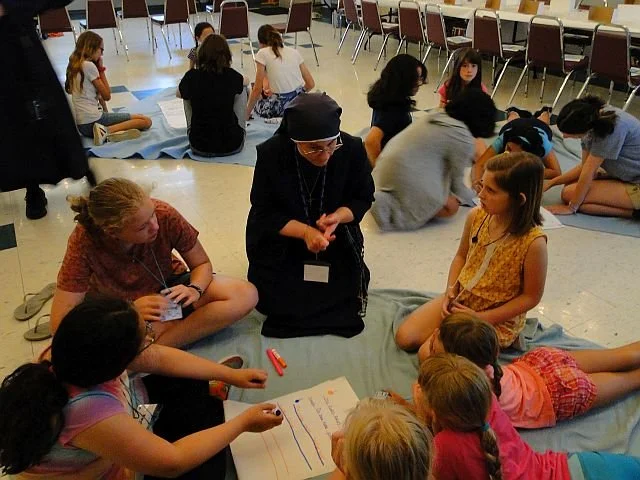
“The Apostolate of all religious consists primarily in the witness of their consecrated life, which they are bound to foster through prayer and penance.”
— Code of Canon Law